
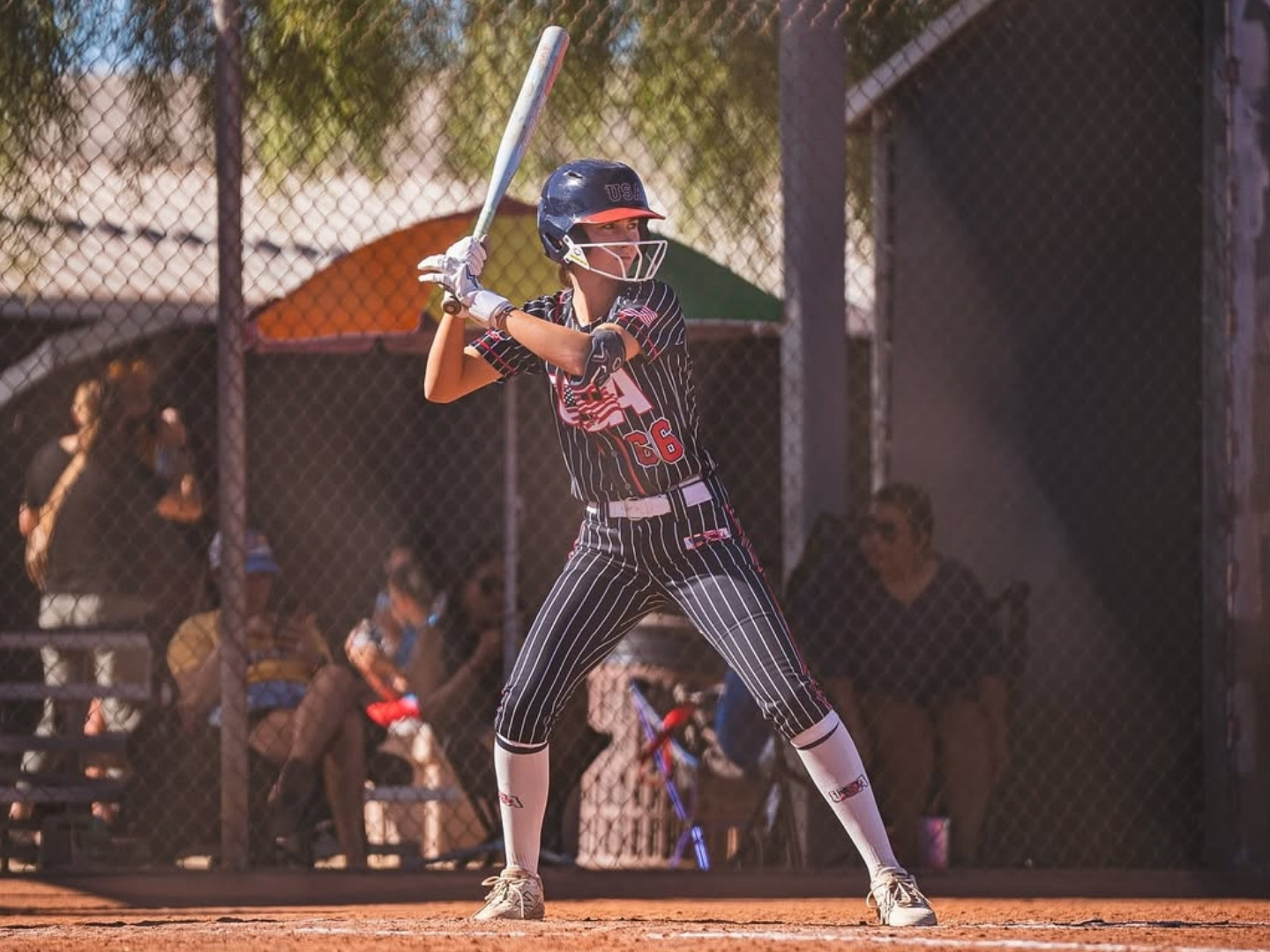
Withdrawal from organized sport is a critical topic in youth sports right now, often resulting in lost opportunities for health benefits, peer relationships, and life skill development.
The statistics are especially concerning for female youth sports, with girls dropping out at roughly twice the rate of boys as they enter adolescence.
Not All "Quitting" is the Same
Withdrawal from organized sport isn't a single event; it happens in three specific patterns:
- Within-Sport Transfer: Switching to a different team, league, or competitive level within the same sport.
- Sport-Specific Termination: Quitting one particular sport while continuing to play others.
- Organized Sport Termination: Leaving organized sports entirely, though some youth continue to stay active through informal physical activity.
The Three Themes of Influence
When asked why they quit, it’s rarely because they lost interest in the game. It’s because the environment stopped serving them. Whether an athlete enjoys their experience or decides to leave depends on three main categories of influence:
- Personal Influences: This includes a child’s perceived athletic competence, how much fun they are having, their interest in other activities like school or a social life, and the impact of injuries.
- Social Influences: Relationships are critical. Positive or negative interactions with coaches, the presence of supportive peers (or toxic cliques), and the level of parental pressure or support all play a role.
- Organizational Influences: Often overlooked, these are the structural factors like the cost of participation, heavy time commitments, a "win at all cost" culture, and access to proper resources and opportunities.
Does Age and Gender Matter?
These categories of influence, as well as withdrawal patterns, change significantly as youth athletes grow:
- Age: As athletes enter their teens, they become much more sensitive to their skill level and how they compare to others because the environment becomes more competitive. Older teens are also more likely to quit organized sports altogether due to the rising demands of school and work.
- Gender: Female athletes may be more influenced by their social peer groups and "cliques". Furthermore, girls often quit earlier because they face fewer opportunities and resources than boys as they age.
Tips for Coaches and Parents
To keep kids in the game, we should be focusing on "developmentally appropriate" experiences:
- Focus on Mastery: Instead of just focusing on the score, programs should emphasize skill development, effort, and personal bests.
- Create Balance: Ensure kids have time for other interests and that the social environment is inclusive rather than exclusive.
- Reframe "Quitting": Recognize that sometimes leaving a sport is a normal and even healthy life transition, especially if the athlete is moving toward other positive goals like education.
By understanding these personal, social, and organizational influences, we can design sports programs that support the personal growth of youth both on and off the field.
If you're an athlete, coach, or parent and need help developing an environment that supports the youth sport experience, and want to practice this skill in a personalized way, or need general athlete support as they improve their performance and well-being, let me know.
To explore how Coach Jeff’s approach might benefit your athlete's development, please complete the contact form on the Mental Performance page →
Battaglia, A., Kerr, G., & Tamminen, K. (2022). A grounded theory of the influences affecting youth sport experiences and withdrawal patterns. Journal of Applied Sport Psychology, 34 (4), 780–802.